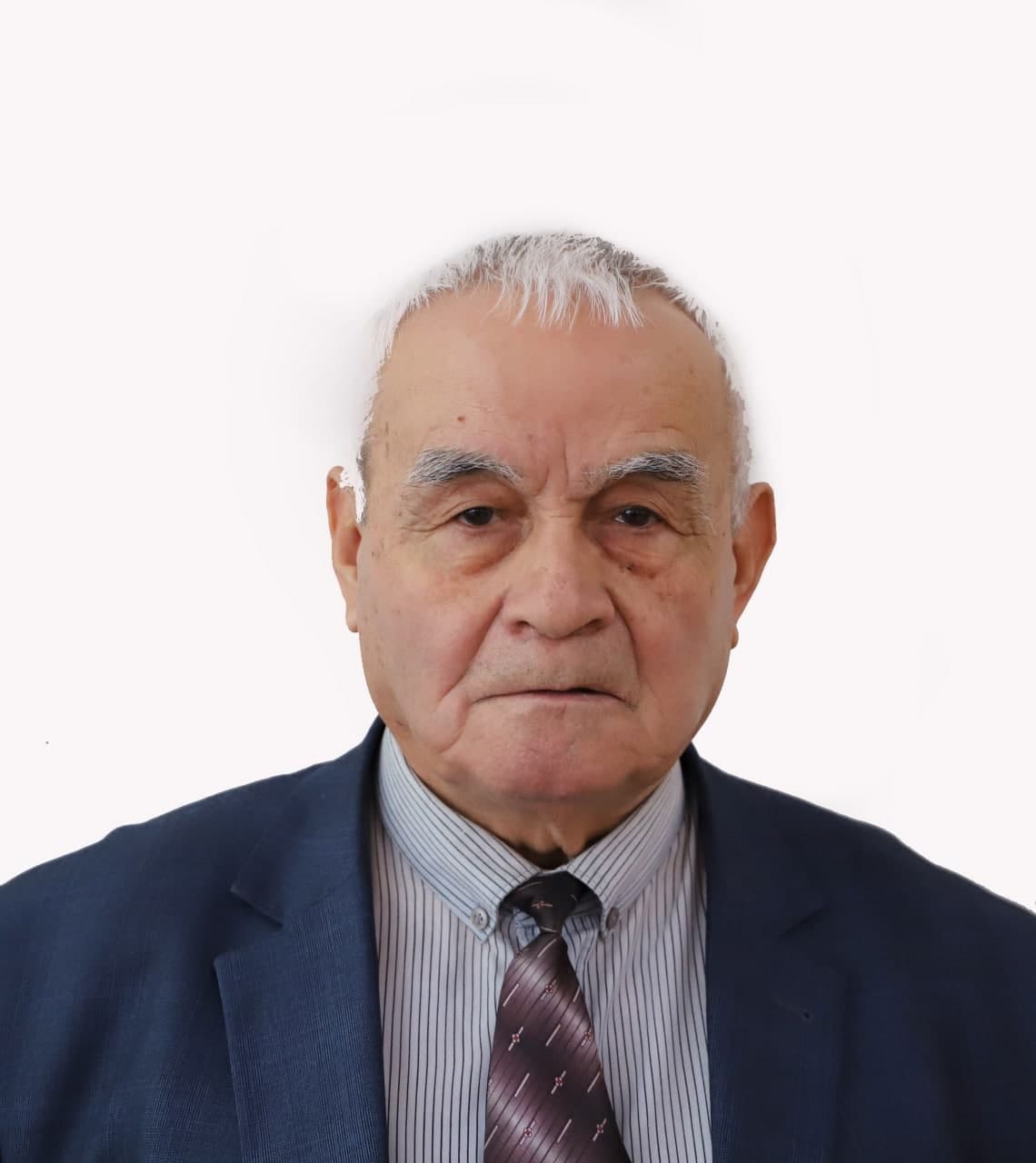
Author: Davletova, Muxabbat Narimanovna
Annotation: This text analyzes eight core conceptual directions for improving the welfare state system and developing its national model in Uzbekistan. The author argues that the next stage of welfare state development must be centered on human dignity, a transition from formal equality to real equality of opportunities, and a shift from quantitative indicators to qualitative, result-oriented management. Furthermore, the text highlights the harmony between legal guarantees and professional social services, a preventive approach aimed at anticipating social risks, and the functional balance between the state, the mahalla, and professional social workers. The final conclusion emphasizes redirecting existing institutions toward achieving tangible and positive changes in the daily lives of citizens.
Keywords: Welfare state, human dignity, social justice, real equal opportunities, result-oriented management, social service, social integration, preventive approach, mahalla system, public control.
Pages in journal: 363 - 369